Because the greatest part of a road trip isn’t arriving at your destination. It’s all the wild stuff that happens along the way.
Emma Chase
Some photos were provided courtesy of Unsplash.
Whether you’re heading to your favorite beach city, taking a leaf-peeping tour in the fall, or heading out to see family a few states away, a road trip can be great fun.
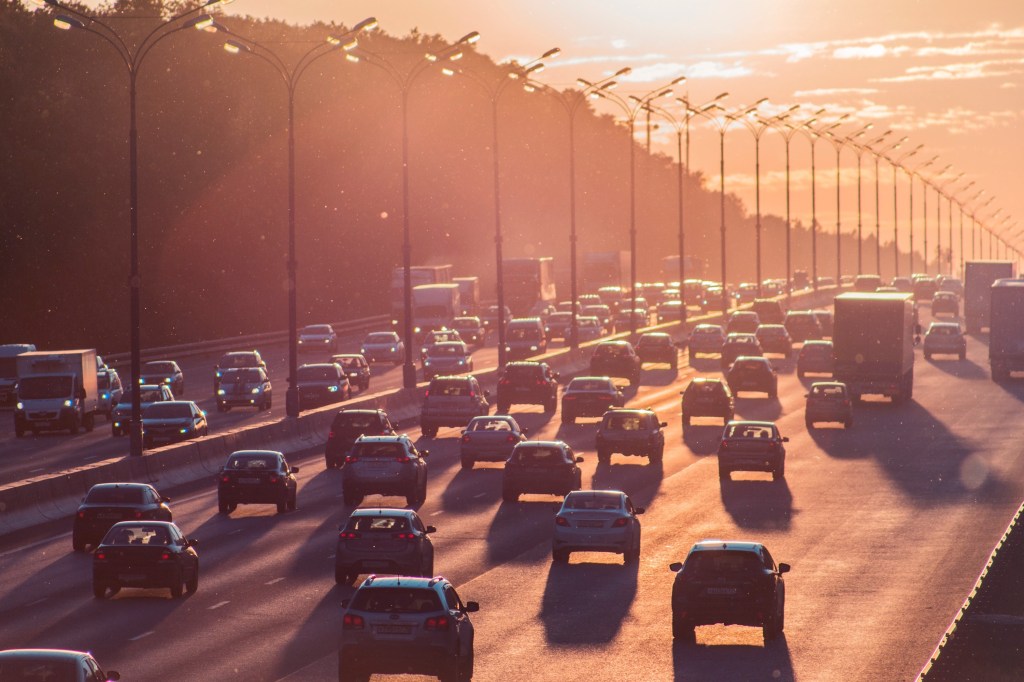
But what if your trip will be a long one? How do you get through a road trip that lasts ten hours or more? Long road trips can be a little grueling for everyone in the car, especially for the driver. This can be especially true if your trip includes dodging aggressive drivers, sitting in heavy traffic, and contending with changeable weather. If you have a long road trip ahead of you, my hope is that these tips can help you to get to your destination safely.

Get a good night’s rest
Honestly, I have a hard time following this advice the night before any trip but it is true that starting your travels with rested eyes and body can make the journey a little easier to manage. If at all possible, try to get in bed early or at the least, at your normal bedtime if it’s not too late. Being rested is important for your driving safety and longevity behind the wheel.
If your trip is broken up into multiple days, take advantage of overnight stays. Have a good meal, maybe a swim in the hotel pool or a workout in the gym, and be sure to get a good night’s rest during this break from the road.
Plan your route
A long trip can be less overwhelming if you start with a plan. Review the route in advance and determine which roads to take. Will you plunge into the metropolitan areas or try to scoot around them? Are there tolls you might want to avoid or are you okay with the cost of shortening the trip? Consider how far you can safely travel and plan where you will stop for breaks or where you can stay for the night.
Don’t just enter the address of your destination into your GPS and go. Most of us choose the quickest route that the GPS can provide but is it the best way to go for you for your travel style? Most GPS routes will keep you close to convenient services, while the less traveled route can be less congested with no services. Choosing the route to take could be a trade-off.
Make sure that your vehicle is in good working order
Before you leave for your trip, it is a great idea to take your vehicle in for a quick check to make sure it is in good working order. Better yet, if you’re mechanically inclined, you can do it yourself! This checkup doesn’t prevent a mechanical issue but it could catch a potential problem before you leave home that could disrupt your trip or worse, leave you stranded. Be sure that your vehicle has had a recent oil change, a clean air filter, all fluids are topped off, and wiper blades, hoses, and belts are all in good condition.
With everything under the hood in working order, be sure to check that all of your tires, including your spare, are properly inflated and in good condition. And finally, make sure to check your brakes.
When loading up, be sure to include tools for a tire change, jumper cables, and an emergency kit, just in case you are stranded along the road. If assistance is needed, some states have roadside assistance along major interstates so watch for signs along the road for how to contact them. Another option for handling an unexpected breakdown is to have your own roadside assistance for your vehicle through your insurance, automobile brand, or outside organization such as AAA.
Finally, start with a full tank of gas. We also recommend filling up whenever you stop, if possible, and we try not to let the fuel gauge drop too far below half of a tank, just as a precaution. You never know when traffic may turn into a parking lot or you might find yourself on a country road that does not have good options for a fill-up.

Set a limit for your travel day: The 330 rule
As you plan your route, consider following the 330 rule and do your best to stick to this plan. This rule is based on how many hours or miles you can travel before stopping. This is how it works: the plan will be to stop driving at 3:30 pm or travel 330 miles, whichever comes first. Following this practice prevents your trip from being overwhelming and manages physical and mental fatigue. We also prefer to travel during the daylight hours so stopping at 3:30 pm ensures that we have daylight for our trip.
This is a great rule to follow, especially if you are pulling an RV, or traveling with small children or animals. Just remember to keep the traffic factor in mind. Accidents and congested metro areas can add time to your drive.
Choose the best time of day for you to travel
What time of day is best for you to travel? The answer is probably a personal one. For example, if you have children, would traveling at night be better so they will sleep for the majority of the trip? Will driving at night be safe?
My husband and I opt to travel during the day and for longer trips, we will stop for the night, have a good meal, and rest. That works for us.
Driving at night means less traffic but it could bring dangers such as reduced visibility, animals bounding into the road, and drowsy drivers. On the other hand, driving during the day can be just as dangerous, if not more so.
Choose the best time of day that works for you.
Weather
Weather can play a big part in your road trip and is the most unpredictable factor. Of course, a sunny day is ideal for travel by car however, rain, ice, and snow are the most dangerous weather conditions. Watching the weather and making any possible adjustments to your travel can be an option but if not, slowing down or even stopping and waiting for the weather to pass should be considered to ensure safety.
Stop often
I know this is a hard tip to follow for those of you who lean toward getting to your destination quickly. However, stopping often not only makes your travel companions a bit happier but as the driver, these stops allow you to refresh. Take the time to take a quick walk, stretch, and get your blood pumping. It’s never good to sit for extended periods. Take time to use the restroom, grab a snack or a drink, and don’t eat in the car! Eat your meals in a restaurant, allowing for time outside of the vehicle.
As the driver, if your eyes are fixating or you are feeling drowsy, STOP! Stop as soon as possible. Being tired behind the wheel is dangerous for you and your travel companions and endangers others who are traveling on your route.
Change drivers often
If you are traveling with another driver, allow them to drive. A fresh driver can ensure your safety if you are feeling drowsy and keeps the trip safely in forward motion. Take this opportunity to rest your eyes so try to resist picking up your phone. Consider taking a nap or just relax and enjoy the ride.
Avoid eating heavy meals
Eating heavy meals can make some individuals sleepy. If this happens to you, avoid eating a large meal and jumping into the driver’s seat.
Stay hydrated
This is good advice no matter how you plan to travel but staying hydrated when traveling by car can be a challenge. Consider packing a cooler with drinks or grabbing a drink when you stop because you’ll be stopping often, right? Of course, staying hydrated will help with stopping often. It is a vicious cycle!
Entertainment
Remember to keep your eyes on the road but try some of these tricks that can help you to stay alert and can provide entertainment for traveling companions or the family in the car.
Listen to your favorite podcasts or audiobooks; turn up some tunes and sing; play a car game; and have a great conversation about what the group wants to do or see when you stop or when you reach your destination.
For those of you who are passengers, be sure that the driver has support. Don’t fall asleep for the entire trip, leaving the driver to struggle alone. If you can, offer to drive, even for a short time. Talk to the driver, be the navigator, watch for places to stop, or keep the roar of those in the backseat to a minimum.
Follow the rules of the road
When we hit the road, it seems like there are more and more drivers who appear to think that the rules of the road don’t apply to them but I think these are some basic, common sense reasons to do so:
First and foremost, safety first! Following the rules of the road means that you and your vehicle, your traveling companions, and the drivers around you all get where they need to be without incident.
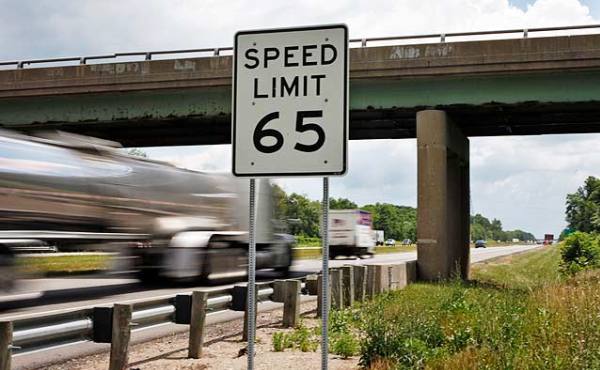
Following the speed limits or setting your car’s cruise control at a consistent speed ensures that you will get the best possible gas mileage, saving you money and wear and tear on your vehicle. This will also prevent the dreaded speeding ticket from the State Trooper you didn’t see, also saving you money! Remember that it’s a speed LIMIT, not a suggestion or goal to stay above and a speeding ticket is not a fun souvenir from your trip.
And of course, following the rules of the road means that your drive will be a little less stressful. It doesn’t mean that drivers around you won’t stress you out but just let them go! Slow and steady will get you safely to your destination and hopefully, those reckless drivers will not hurt themselves or anyone else.
No matter where you are going, the idea is to get where you’re going safely and try to enjoy the journey along the way. I hope these tips help.
Have a safe trip!

 Let’s Just Go!