
**Photographs provided by Unsplash.
Airports can be exciting… but they can also be overwhelming. Between long lines, crowded gates, and confusing rules, it’s easy to forget that as an air traveler, you actually have federally protected rights that are designed to make your journey easier, safer, and more comfortable.
Here’s a quick guide to some of the most helpful — and often overlooked — protections every traveler should know. Guided Airport Assistance
Did you know that you can ask for guided assistance at any point in your journey?
Whether you need help navigating the airport, getting to your gate, or boarding the plane, you can simply say: “I need guided assistance.”
The airline must provide assistance from check-in to boarding — even during connections. This request is logged in the airline’s system, so the staff knows exactly what kind of help you need. It’s part of your rights under the Air Carrier Access Act, which ensures accessibility for all passengers.
Everyone deserves to travel confidently and comfortably and airline employees are trained to assist you with the legally based requests that you are entitled to make.

Pre-Boarding
Need a little extra time to get to your seat? You can request pre-boarding — no questions asked and no doctor’s note required.
At the gate, just say: “I’d like to request pre-boarding as I need additional time to get to my seat.”
Under federal law, airlines must let you board early if you need more time or assistance. You don’t have to explain why — your word is enough.
TSA Cares
Security lines can be stressful, especially if you have mobility issues, medical devices, or anxiety about screening. Thankfully, TSA Cares is here to help.
This program connects you with a Passenger Support Specialist who can personally assist you through the TSA checkpoint.
To request help:
*Call TSA Cares at 855-787-2227 at least 72 hours before your flight
*Provide your flight details and describe what kind of assistance you’ll need
It’s free, confidential, and part of your federally protected right to accessible screening.
Priority Assistance During Delays
If you’ve identified yourself as a passenger needing assistance (for mobility help, guided support, or pre-boarding), you’re automatically flagged in the airline’s system for priority assistance when delays or disruptions happen.
That means airline staff are required to help you rebook, navigate the airport, or adjust plans as needed — without you having to ask again.
Senior Fares
We often help my octogenarian in law with travel plans. If you help a parent, or If you are 65 or older, you may be eligible for unpublished senior discounts on certain airline routes.
Unfortunately, senior fares aren’t always listed on line, so taking advantage of a senior fare requires a little effort.
Simply call the airline directly and ask:“Do you have a senior fare for a passenger over 65?”
*Tip: Before calling, research current prices for your flight so you can understand what type of discount you’re receiving.

Traveling with Medical Devices
If you’re traveling with any type of medical equipment — like a CPAP, oxygen concentrator, or mobility aid — here’s some good news: your equipment travels free and does not count toward your personal item or carry-on limit.
At check-in, say: “I’m traveling with medical equipment that is exempt from baggage fees.”
You don’t need a doctor’s note or medical explanation — and airlines are federally required to honor this exemption under the Air Carrier Access Act.
*Tip: When possible, I always recommend that you carry on your device rather than checking it.
Wheelchair & Ambulatory Assistance
Airports can be huge and intimidating — especially if you have an injury, mobility concern, or you’re worried about long walks between gates.
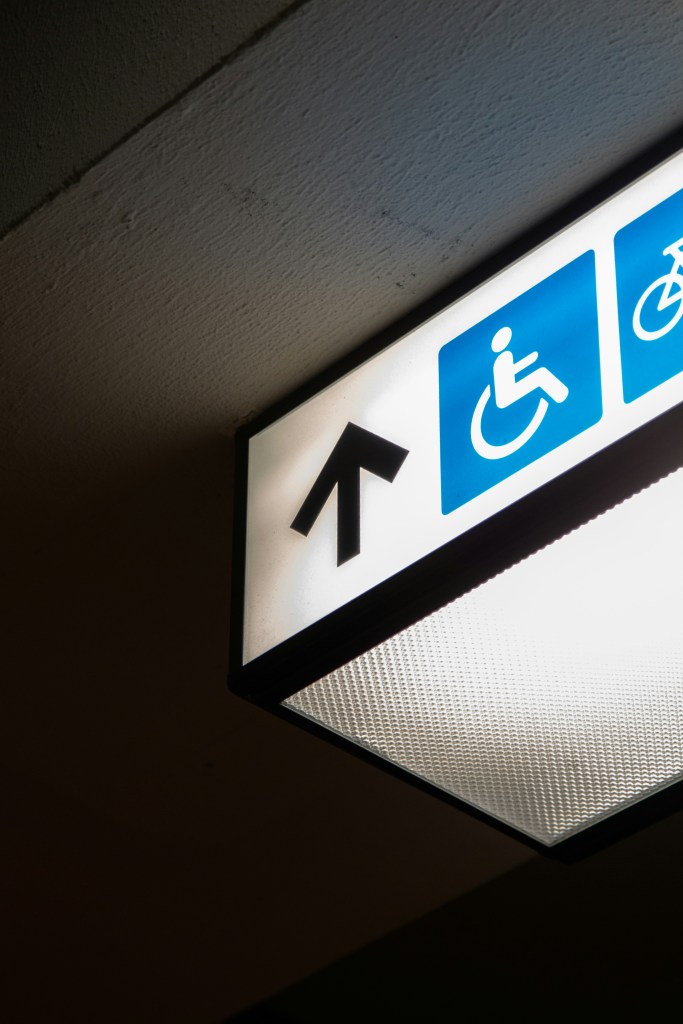
Anyone with a temporary or long-term mobility issue has the right to request wheelchair or ambulatory assistance, free of charge.
At check-in, say:
“I’d like to request wheelchair assistance,” or
“I need ambulatory assistance to reach my gate.”
Airlines must provide this help from check-in through security, to your gate, and even on connecting flights. No medical proof is required.
Final Thought
Traveling is for everyone — and knowing your rights can make all the difference between a stressful trip and a smooth one. The Air Carrier Access Act and TSA Cares exist to ensure every passenger, regardless of ability, can fly safely, confidently, and with dignity.
So next time you fly, remember: help is available, and it’s your right to ask for it.

 Let’s Just Go!