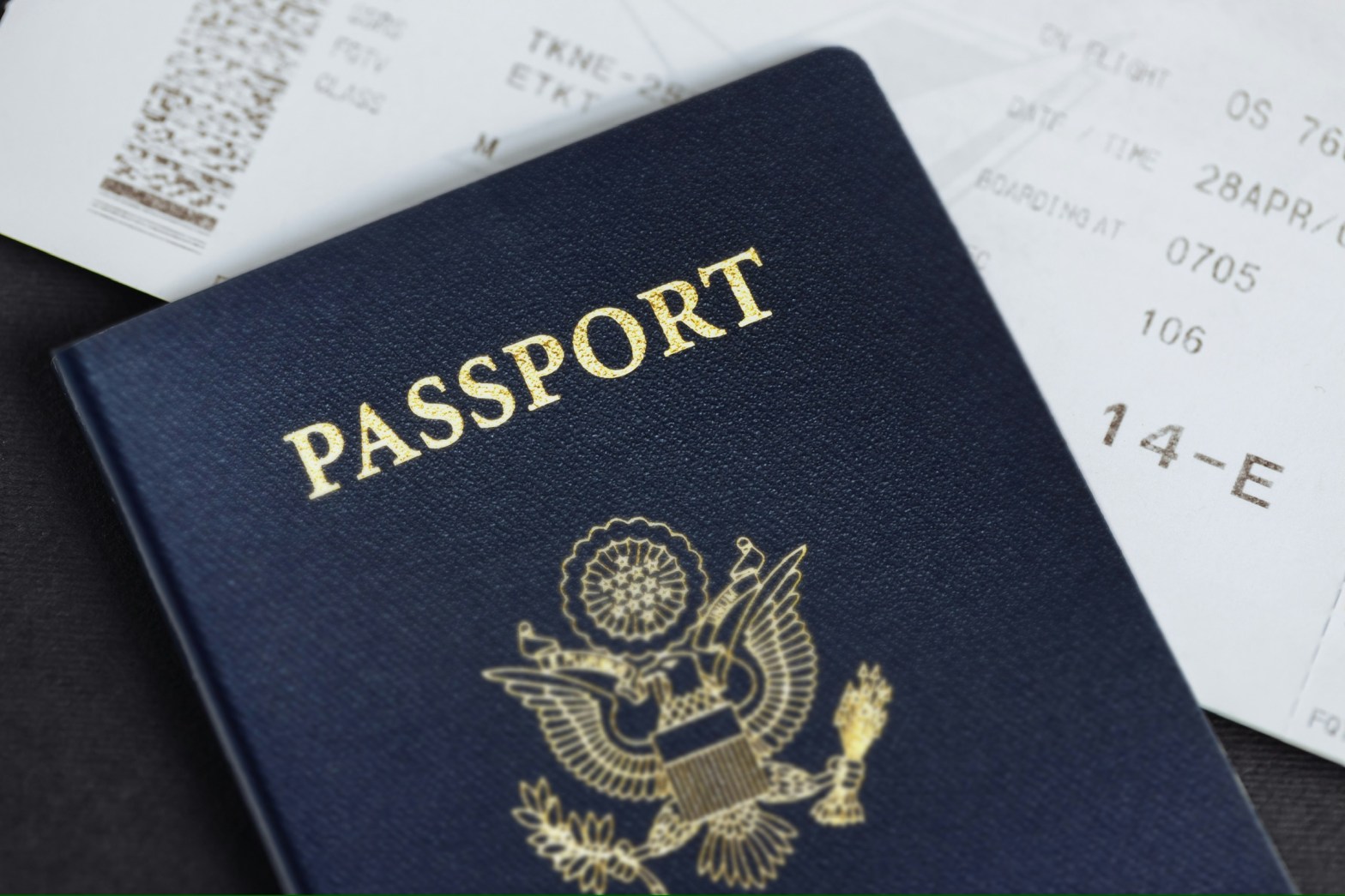
If you’re planning to flying within the United States, this is one travel rule you don’t want to overlook.
What Is a REAL ID?
In response to the September 11, 2001 attacks, the REAL ID Act of 2005 was enacted to set security standards for state-issued driver’s licenses and ID cards which are required for boarding domestic flights.
To obtain a REAL ID, you must provide specific documents to your state’s licensing agency.
When Is a REAL ID Required to Fly?
The REAL ID was set to be enacted in 2008, but enforcement was delayed numerous times until ultimately going into effect on May 7, 2025. Since that time, travelers have been required to present a REAL ID or other TSA-approved form of identification, such as a passport, to board domestic flights within the U.S.
How to Tell If Your Driver’s License or ID is a REAL ID
Check the top corner of your driver’s license or state ID card for a star. No star? Not a REAL ID.
What Happens If You Don’t Have a REAL ID?
If a traveler arrives at the airport without a REAL ID or passport, they may experience additional TSA screening, longer wait times, and a possible temporary ID cost, depending on the state.
In other words: Brace yourself for more stress and another fee to fly before your trip even begins.
REAL ID vs Passport: Which Should You Use?
Get a REAL ID: Apply through your local DMV to ensure your driver’s license is compliant for domestic flights.
Fly With a Passport: A valid U.S. passport is always an accepted form of ID for domestic air travel.
How to Prepare for Future Travel Rule Changes
Having the right identification is just one piece of stress-free travel. Staying informed about upcoming regulations can save you time, money, and frustration at the airport.
Which option are you choosing — REAL ID or passport?


Copyright © 2020-2026
Let’s Just Go All Rights Reserved

 Let’s Just Go!