
Whether you’re heading to the beach, chasing fall foliage, or driving a few states away to visit family, a road trip can be one of the best ways to travel.
But let’s be honest — long road trips (10+ hours) can be exhausting, especially for the driver.
If you have a long drive ahead, these road trip safety tips will help you stay alert, reduce stress, and arrive safely.
Prioritize your rest
Driving while tired reduces reaction time and increases risk.
- Stick to your normal bedtime
- Avoid staying up late to pack
- If your trip spans multiple days, plan overnight stops and prioritize sleep.
Plan Your Road Trip Route in Advance
How did people ever get around before GPS? And while I marvel at the technology, let me warn you that your favorite GPS can steer you wrong!
Planning ahead reduces stress during the drive. Before you leave:
- Review your route
- Decide whether to avoid toll roads
- Consider bypassing large metro areas
- Plan fuel stops and rest breaks
- The fastest route isn’t always the best route. Educate yourself on optional routes and know that some roads offer more services; others offer lighter traffic.

Make Sure Your Vehicle Is Road-Ready
Before any long-distance drive, perform a basic vehicle safety check.
- Oil change is current
- Fluids are topped off
- Tires (including the spare) are properly inflated
- Brakes are in good condition
- Wiper blades are working properly
- Make sure that you have emergency supplies such as Jumper cables, tire change tools, and an mergency roadside kit
Consider roadside assistance coverage through your insurance provider, vehicle manufacturer, or organizations such as AAA for extra peace of mind.
Start With a Full Tank of Gas
Begin your road trip with a full tank and refill frequently. Many experienced road trippers follow the “half tank rule” — avoid letting your fuel drop below half. Always be prepared for unexpected traffic, rural highways, or detours can make gas stations harder to find than you expect.
Follow the 330 Road Trip Rule
A helpful strategy for managing travel fatigue is the 330 rule:
Stop driving at 3:30 PM or after 330 miles — whichever comes first.
The goal here:
- Prevent mental exhaustion
- Keeps most driving in daylight
- Works especially well for families, RV travelers, and pet owners
Choose the Best Time of Day to Drive
The best time for a long drive depends on your preferences.
Pros of driving at night: less traffic and this can be great for those traveling with children who will sleep and travel better at night.
Cons of driving at night: reduced visibility, wildlife activity and sudden road crossings, and Driver fatigue.
Daytime driving offers better visibility but may involve heavier traffic depending on your route..
Choose what works best for your energy levels and travel companions.
Monitor Weather Conditions
Weather is one of the most unpredictable and influential road trip factors. If the weather forecast predicts storms consider adjusting your departure time or stop and wait if necessary.
No destination is worth compromising safety.

Stop Frequently
Frequent breaks improve focus and circulation, especially for the driver.
Consider everyone in the car, especially children and pets. Plan to stop every 2–3 hours to give everyone a walk and stretch, a chance to use the restroom, and stop for longer meal breaks.
If you feel drowsy, pull over immediately. Fatigued driving is dangerous.
Change Drivers When Possible
If traveling with another licensed driver, alternate driving shifts.
Use passenger time to rest — not scroll endlessly on your phone.
Avoid Heavy Meals Before Driving
Large meals can cause drowsiness. Choose lighter options before getting behind the wheel to maintain alertness.
Stay Hydrated During Your Road Trip
Hydration improves focus and reduces fatigue.
Pack a cooler with water and drinks, and use rest stops as hydration breaks.
Keep Everyone Entertained
Entertainment keeps drivers alert and passengers happy. Plan to listen to Audiobooks or Podcasts, cue up your favorite playlists, play car games, and pack fun road trip snacks.
Passengers should support the driver by helping navigate, staying engaged, and minimizing distractions.
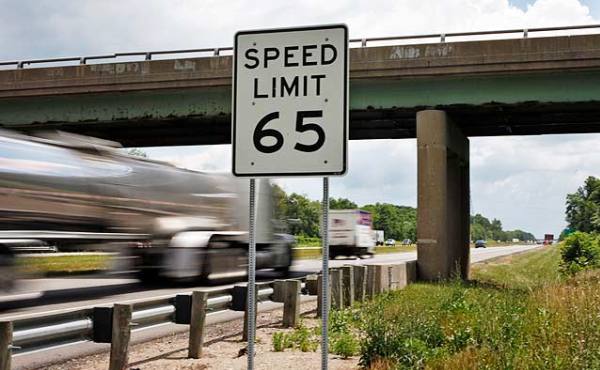
Follow the Rules of the Road
Safe driving habits reduce stress and increase fuel efficiency.
- Obey speed limits
- Use cruise control when appropriate
- Avoid aggressive driving
- Let reckless drivers pass
Following traffic laws improves safety for everyone and helps you avoid costly speeding tickets.
Final Thoughts on Long Road Trip Safety
The goal of any road trip isn’t just to arrive — it’s to arrive safely.
With preparation, smart planning, long drives can feel manageable — even enjoyable.
Wherever you’re headed, happy travels!


Copyright © 2026; Let’s Just Go, All Rights Reserved
**Some photographs provided courtesy of Unsplash.

 Let’s Just Go!