
For me, the mention of a Transatlantic cruise brings to mind The Titanic without the tragic end or elegant images of luxury ocean liners like the QEII. In more modern times, a Transatlantic cruise is essentially a repositioning cruise for nearly all cruise lines and less of a normal cruise route.
If you are considering a Transatlantic cruise, these are some of the expectations and realities from our experience on a Transatlantic cruise to Europe. I hope this helps you to consider whether this is the right cruise type for you.

Setting overall expectations for a Transatlantic cruise:
To start with, if you are considering a Transatlantic cruise, keep in mind that this is not a normal Caribbean-style cruise. You will likely have long stretches at sea, much cooler temperatures, and due to the weather, less opportunities to lounge on the pool deck.
Cruise lines take repositioning cruises to and from Europe in the spring and fall, moving their ships around for the next cruise season to accommodate customer demand. In the spring, they will move some ships to Europe for the temperate summers that Europeans enjoy and in the fall, the ships are moved back to the U.S. for winter and early spring Caribbean and spring break cruises. The weather during these Transatlantic crossings can be too chilly for your bikini and swimming trunks and that translates into a scramble to find a peaceful spot in which to lounge for the day.

While we enjoyed our itinerary, the seven sea days of our trip were a bit challenging if we wanted to find a spot in a public space. Many passengers set up for the day in public spaces around the ship much like they would have done on the sun decks. Instead, for our cruise, the scramble for space to lounge included the buffet area where passengers played games, read books, worked on crafts, set up laptops, or simply socialized with like minded passengers for most of the day. Others spent time in the spa, hot tubs, and the gym. Considering that this morning shuffle for space will occur on every sea day, as you start to consider which cruise to take, consider the layout of the ship and where you would be comfortable spending time during the crossing. If you are taking a ship that is new to you, look to Facebook groups for your cruise for some of this information as well as the cruise line’s website.

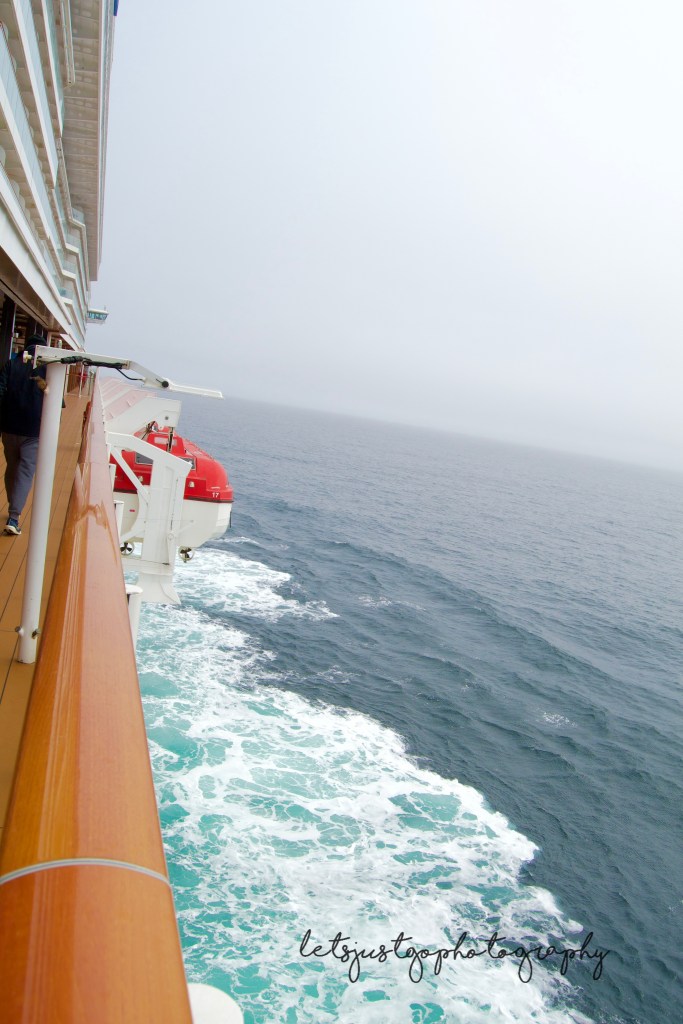
As for the weather, we were very fortunate. We expected a rough ride across the North Atlantic and while we have never struggled with sea sickness, we went prepared to deal with it, just in case. Instead, our crossing had mild to calm seas despite the overall skies being overcast and moody. We did have periods of sun but the temperatures ranged in the high 40 to mid 50 degrees. We were able to walk the ship deck to get some exercise but we were bundled in our coats, scarves, and hats.
One last note for your crossing. I mentioned earlier that we had five sea days for our crossing. I realized early on in our planning that the weather being what it was, our time outside would be limited and five days was a long time to stay occupied. We took advantage of on board entertainment when we could, but before leaving home, we loaded our devices with books and movies and we purchased a WiFi package that allowed us to stream our favorite Netflix and YouTube. Our ship offered “Starlink,” which was flawless, especially at sea. The point here, be prepared to do some self entertainment. As far as the on board daily entertainment, we saw some entertainment additions for a Transatlantic cruise such as a presentation on what to see and how to navigate our first port of call but overall, the daily entertainment seemed to be right in line with a typical Caribbean cruise with bingo, art gallery presentations and art auctions. Missing due to weather were the belly flop contests and other events that would have typically happened on the pool deck.

Expectations for Itineraries
Most Transatlantic cruises are repositioning opportunities for the cruise lines. That means, for the traveler, these cruises can have wonderfully different ports of call.
One thing to keep in mind is that this type of cruise is one way. That means you start in one port and end in another. If you cruise like we do, this is an aspect to consider. We like to drive to a port and leave our vehicle in long term parking, knowing that on the last day of the cruise, we can plan to walk off the ship, jump into our car, and head for home without having to deal with transfers and airlines. That will not be the case for a Transatlantic cruise.
One thought here though is that ending in another port could offer an opportunity to explore the end port. In our case, many fellow passengers extended their trip, staying in London for a few days or catching another European cruise. Very nice!
Another consideration is the itinerary itself. The cruise lines want to entice you to travel with them for this repositioning so they can sail their ship with a full compliment of happy passengers. To do that, the cruise lines will market their ports of call to attract you to the itinerary.
This was our itinerary as marketed by the cruise line; setting expectations and then reality:
Day 1; embarkation on Pier 88, Manhattan Cruise Terminal, New York City.
Day 2; Sea day number 1.
Day 3; Halifax, Nova Scotia. This port was actually within walking distance of downtown Halifax. A gangway was used to disembark and return to the ship.
Day 4-7; Sea days 2-6.
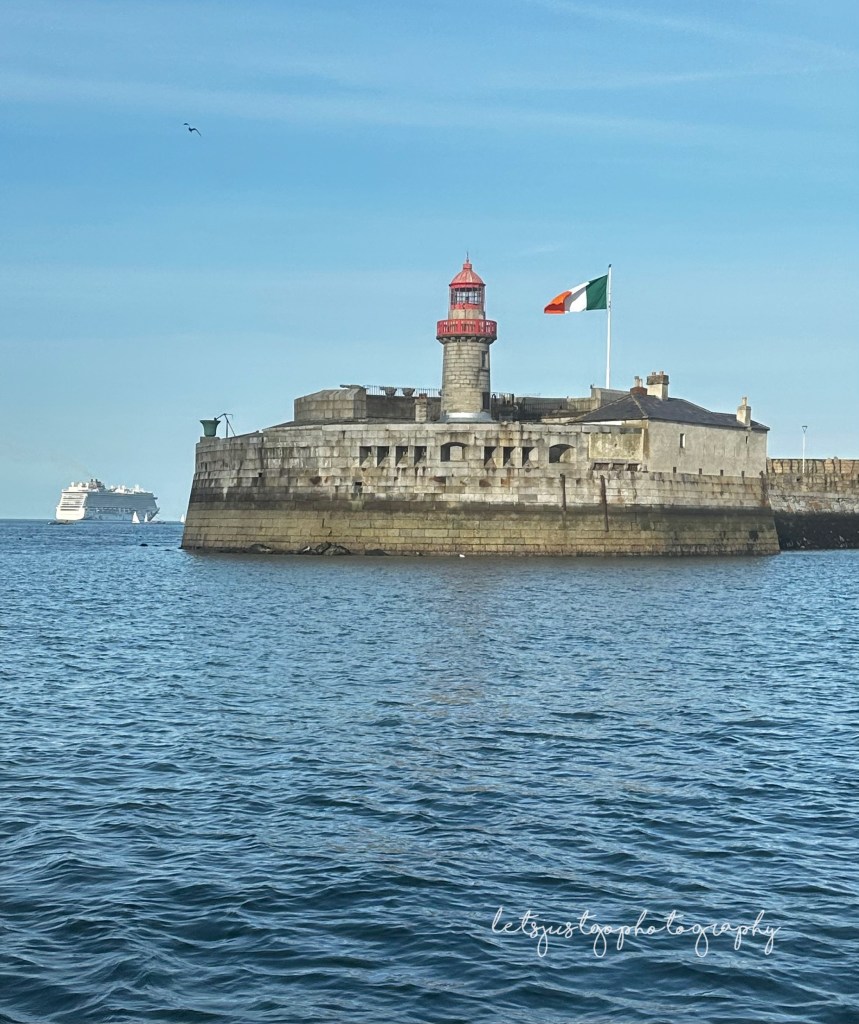
Day 8; Dublin, Ireland. The “Dublin” port required tendering from the ship via a 25 minute tender and we actually put foot in a suburb of Dublin called Dun Laoghaire (pronounced Don Leery). If you actually want to visit Dublin, a quick train ride or longer coach ride would’ve been necessary. The tendering process was chaotic and 50 minutes of actual tendering (plus time waiting in line to board tenders in both directions) ate into our time in Dublin.
Day 9; Belfast, Northern Ireland. This port also required a coach ride into downtown Belfast but it was a reasonable distance.
Day 10; Sea day number 7.
Day 11; Amsterdam, Netherlands. This port, our giant cruise ship took a relaxing and scenic three hours to get from the North Sea into the heart of downtown Amsterdam and right up to an actual cruise terminal.
Day 12; Brussels, Belgium. Brussels is an hour and a quarter from Ze Bruge Ship Terminal where we actually docked. We opted to visit the lovely city of Bruge, a short coach ride away. Our ship provided a very steep gangway which was difficult for older or physically compromised passengers.
Day 13; Paris, France. Paris is landlocked and well over two hours from our actual port of Le Havre. Having already visited Paris and having no desire to be on a coach for 4 hours of our day, we opted to visit the nearby town of Hon Fleur. Again, our ship offered a rather steep gangway that was challenging for some passengers to use.
Day 14; London, England. The funny part about the cruise line marketing our disembarkation day as “London,” is that we actually ended our cruise in Southampton, nearly two hours from London.
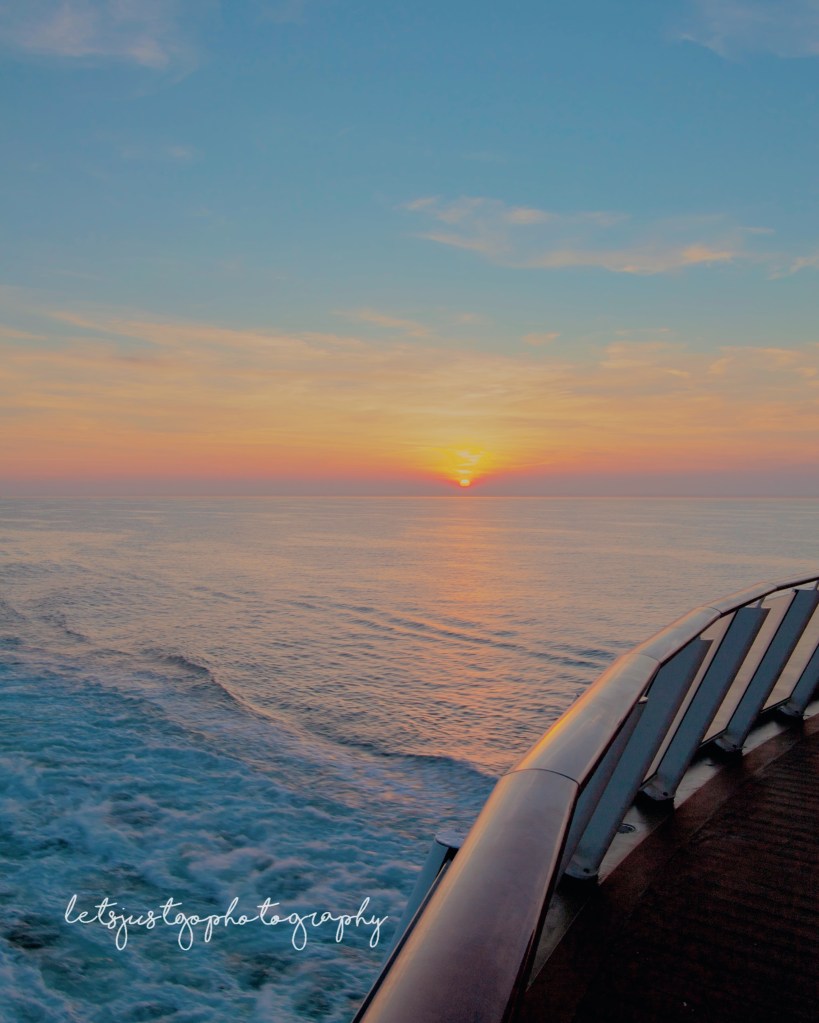
You should note that the cruise lines market the big European cities despite the fact that those cities are not your actual port. I wanted to list our itinerary this way so you could see how important doing your research can be when booking any type of travel, even a cruise. Make yourself aware of the actual ports of call and how to best get to the sites you want to see well in advance of your trip.
Costs for a Transatlantic cruise
The goal of your favorite cruise line is to make money on each scheduled cruise and a repositioning cruise is no different. Much like the airlines that pack every flight, all cruise lines prefer to have all ships full of paying passengers. However, some cruise passengers might steer away from a Transatlantic/Repositioning cruises because they are not round trip or they might not be able to commit to a cruise of 12-15 day (or more) in length. To fill the ships that are repositioning for a season, the cruise lines will often offer these cruises at great fares with lots of onboard incentives. Be sure to shop around for the itinerary that you want most but even after you put down a deposit, be sure to watch the price of your cruise. To fill the ships, cruise lines often put these itineraries on “sale” as the cruise dates approach and yes, you can take advantage of these sales in the run up to your trip. Be aware that there may be some restrictions so be sure to work with either your travel agent or your cruise line’s Cruise Consultant who can help you with this type of adjustment.

One last observation from our Transatlantic cruise
Our trip was a total of 14 days. When we got on board, we noticed that the overall passenger population was older and there were very few children. We guessed that both of these observations were due to the length of the cruise and the difficulty for working adults with kids being able to commit to the length of the cruise.
Would we go again?
Of course, we would consider another Transatlantic or repositioning cruise. We know what to expect now! While our trip started in the U.S. and sailed east, I would be interested in starting in Europe first, with the big ports of call kicking off the trip, then enjoy the crossing back to the U.S. with time to relax and unwind on the back end of the trip. I’m definitely willing to give it a try!
If you have the time, a Transatlantic cruise can be a wonderful experience and if you have never tried one, I hope my expectations versus reality blog can help you to be a more prepared and informed passenger.


Copyright © 2026. Let’s Just Go, All Rights Reserved.

 Let’s Just Go!